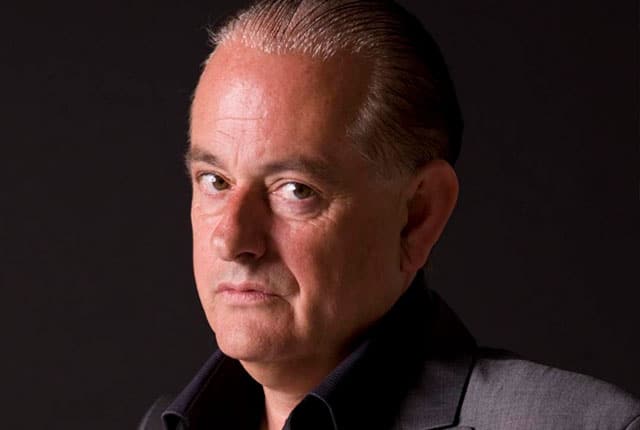
Empirion is a British trio who create hard electronic dance music that bridges the gap between techno and industrial. The group is comprised of Bob Glennie, Oz Morsley, and Jamie Smart. Their debut album, “Advanced Technology,” is out on XL Recordings. The following is an interview with Glennie.
When did the band start, and how did you meet?
Bob: “Back in 93 was when we released our first track on our own label, called Wanted. I knew Oz, we sort of bumped into each other in a club about two or three years before that. We started going clubbing and ended up at a local club in Essex and Jamie was a resident Dj there. It just went from there, we all started chatting after one night after the club and realized that we had the same sort of motives and goals. We just sort of put it all together and took it from there, basically. That was in the summer, it tool us until about November to put a track out. Basically, we didn’t know anything about it, we just knew we could do some music and wanted to get it out.”
Were you in bands before Empirion?
Bob: “I’d been in a band about six or seven years previous to this, but I haven’t been in a band since then. I’d just sort of messed around with electronics before MIDI and things like that. I didn’t actually do anything with it. The guy I’d been working with went on to be the drummer with Nitzer Ebb for a while. That’s another local band. I used to be in more of a live instrument band, with guitarist, drummer. Nothing to professional, just messing about, really.”
What made you decided to start your own label?
Bob: “We really didn’t want to write music and go begging around to record labels to put it out, knocking on doors. We had the financing, we knew key people in the industry, so we just took it from there and set up our own Wanted Records label. Got 500 pressed the first time around, had boxes in the front room and just sold it ourselves, really. Went around to London and Manchester, and it just sort of took off from there. We sent copies out to DJs we’d met through the clubbing thing and they picked up on it and started playing it.”
Now that you’re on XL, does Wanted still exist?
Bob: “We’ve still got it. It’s been a bit dormant lately because we’ve been concentrating on the signing to XL, and getting the album out there and now we’re working on the next album. But it’s there, and we’re looking for a couple of other acts. We’ve got a couple of local mates getting their sounds together. So there’s definitely a future.”
Are there any particular influences that you think have shaped your sound?
Bob: “I can only talk from my point of view, but I was really into the industrial scene. At about 12 or 13, I started getting into electronic sounds, things like Kraftwerk and Front 242, and DAF. Anyone who was messing around with electronics, basically. It just sort of progressed from there and then when the house things started, like the stuff coming out of Detroit, I went off on that channel. Oz comes from more of a band oriented past, he was in rock type bands, and Jamie was more hip hop. All the styles come through in the music, basically. I was really into the power of industrial gigs and things like that. When I started going clubbing I sort of missed that. I’m quite glad that things are getting harder and more powerful.”
Do you have specific roles within the band?
Bob: “We spend time virtually every day in the studio when we’re not gigging and sorting the business side of things out. It’s basically all the ideas put into a pot. Oz is more of a programmer, I’m more of a desk man, We all put our ideas in. Jamie does more of the running of the business side of things. That’s just the way it works, as we’re not managed at the moment. That’s one thing we’re sorting out, getting a manager.”
Where did the name come from?
Bob: “It was a book that I’d read. We’d got the music done and thought ‘oh, we’ve got to think of a name now.’ We sat around and had loads and loads of ideas and came up with Empirion. I’d read the book, it’s like a sci-fi thing. And when you look the name up in the dictionary, it’s got a slightly different spelling but means like the highest heaven, lights in the sky, god’s place, that sort of thing.”
Do you have any particular favorite pieces of electronic music equipment?
Bob: “We’re really into the analogs. We signed to XL a couple of years ago now, basically because we thought the music wasn’t getting as far as it could. It was mainly an English thing, and we wanted to get it further. So we signed to XL and the money we got for the album we spent on setting a studio up. We went out and got a whole new computer system and a new desk. We went out and tracked down analogs. We got three Yamahas. They are really the backbone of our sound, they’re really old and grungy. They’re not too reliable, but as long as you’ve got a good sampler you can get the best out of them, really. We tend to sample them up when we go out and play lives, as that makes life easier. They have a mind of their own, analogs.”
What is your live show like?
Bob: “It’s in quite an early stage at the moment. Up until now, it’s just been basically just taking the studio out and setting it up and basically bashing it out. Over the part six months or so, we’ve started working with a live drummer, and Oz is playing guitar on a couple of tracks. Things are expanding. We’re doing tribal gathering and we’ve got a vocalist working with us for the first time. It’s Doug, who used to be in Nitzer Ebb. He sang on two tracks at Tribal, so it’s more of a band feel. It’s been working really well. It’s cool.”
Is it difficult adapting the music for live performance?
Bob: “As long as you’ve got good samplers, a good computer system. Some things could be difficult, but you can just sample them up. So it’s not too hard.”
So do you run all the sequence live:
Bob: “We use sequencers live, we use the computer live. We always have a back-up DAT as well, as we’ve had some scary gigs where the computer’s locked up and things. Relying on electronic equipment can be pretty hard.”
What are the advantages of having your own studio?
Bob: “It’s all about catching a vibe at the time. Sometimes you’re working at home, and then you go into a big studio and spend the majority of the time trying to get that vibe back and sometimes you don’t find it.”
Do you enjoy doing remixes?
Bob: “Once we started getting remixes and we started working with vocals, I think we were quite shocked because we hadn’t even thought of vocals before that and we really got into working with them. It think it’s good that we’ve done the remixes, because on the back of that we’ve gotten together with Doug and done some more vocal work.”
What do you look for in a track when deciding whether or not to take it on?
Bob: “We do remixes if we’re into the buzz of the track that we’re given and into the band and if we think we can actually do something. We do turn quite a lot of mixes down, because we don’t we can do anything with them. There’s normally a couple of things in a track and you think ‘yea, we can definitely use that'”
Where did the spoken vocal sample in “Narcotic Influence 1” come from?
Bob: “It was Oz’s mum!”